Published, last updated Jun 05, 2025.
June 05, 2025, 20:00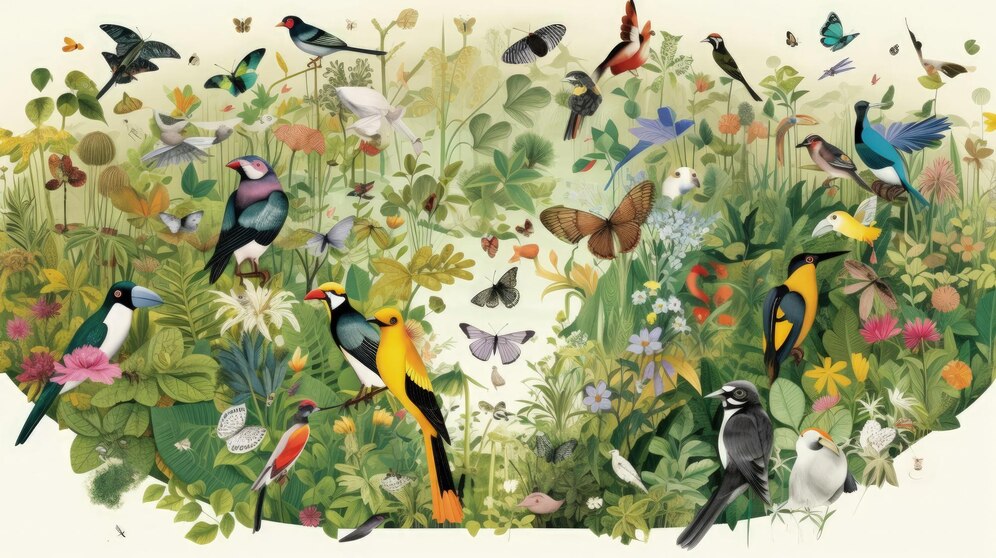 | The Tree of Life is Dying: What Have You Done, Humanity?Insects are disappearing at an extremely high rate even in pristine areas. Half of the Tree of Life is already gone. There have been many reports recently indicating that in areas impacted by pesticide, light pollution and habitat loss, the biomass of insects is rapidly reducing and insect species are going extinct at accelerate rate. New results now show that even in near pristine areas almost untouched by any human activities, biomass and biodiversity of insects are going down at very high rates.
Tess McClure reports on the findings of ecologists in the article “‘Half the tree of life’: ecologists’ horror as nature reserves are emptied of insects” in the Guardian. One of the ecologists, David Wagner, commented on the current rate of reduction in insect biomass saying “Run that forward four decades, that’s nearly half the tree of life disappearing in a lifetime ... catastrophic.”
There is a chance that this collapse of insect population and diversity discovered now to take place even in pristine environments has crossed a tipping point and is unstoppable. There is also consensus among ecologist that the disappearing of insects will have extreme impacts on all food chains and fundamentally transform ecosystems. This raises the question: Does humanity know what its population explosion has done — and is doing — to the tree of life? Do we humans realize that the damage we are doing to the Earth's life-support system may be irreversible?
We have this concept of a “tree of life” and graphical presentations often show Homo sapiens at the top of the tree. The concept of a ”web of life“ seems to be closer to reality. In this web of life, Homo sapiens, like all other species, depends on the web being without large holes. The insect hole emerging now could easily break up the web of life with dire consequences for our species. |
